
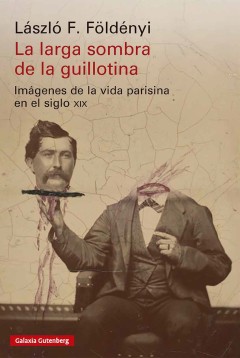
La larga sombra de la guillotina : Imágenes de la vida parisina en el siglo XIX
$ 25.45
Coming soon
Even before the French Revolution, executions by guillotine occurred occasionally, but it wasn't until 1791 that death by hanging became widespread and applied equally to everyone. Until then, social status and the nature of the crime determined the method of execution. From that moment on, the industrialization of death began, because everyone is equal before the guillotine. The clean cut meant greater hygiene compared to previous methods. Moreover, never before had so many heads been severed in such a short time. This coincided with the sanitation of the poor neighborhoods of Paris and the opening of the grand boulevards, all equally straight and with similar building facades. Once again, technological innovation in pursuit of practicality. At the same time, the new technology of photography emerged. Its widespread use made it possible to capture the fleeting nature of life, thus immortalizing the moment, both to fix it forever and to kill it. Alongside this, advertising began to take over the streets, and newspapers were pasted on walls and sold by shouts. All these changes in 19th-century Paris opened the door to modernity. From that moment on, everything seemed fragmented, fleeting: bodies, the city, poetry, painting. Thus emerged a completely new image of humankind—that of a strange, violent, and headless being—which remains relevant to this day.
AUTHORS
PUBLISHER
RELEASE DATE
September 23, 2026
ISBN
9791388019944
PAGES
280 p. ; 21,0 x 14,0 cm.
BINDING
Paperback
SERIES
Ensayo